Blog
75 articles, page 6 of 9.
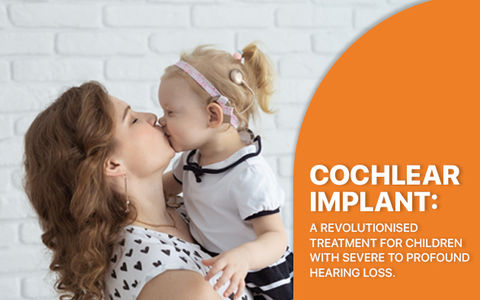
Cochlear Implant: A Revolutionized Treatment for Children with Severe to Profound Hearing Loss
A cochlear implant is a small, complex electronic device that is surgically implanted into the inner ear to provide a sense of sound to a person with severe to profound hearing loss and deafness. The implant consists of two main components: an external microphone and speech processor that sit behind the ear, and an internal…
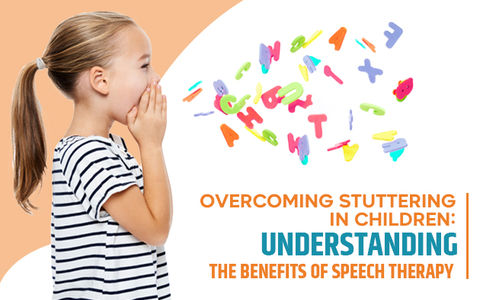
Overcoming Stuttering in Children: Understanding the Benefits of Speech Therapy
Stuttering is a common speech disorder in children characterized by the repetition of syllables, words, or sounds and interruptions in speech called blocks. The children between the ages of 2.5 and 3 years generally face the problem of stuttering when they acquire their language skills at an incredible speed. Such stuttering is called developmental stuttering,…
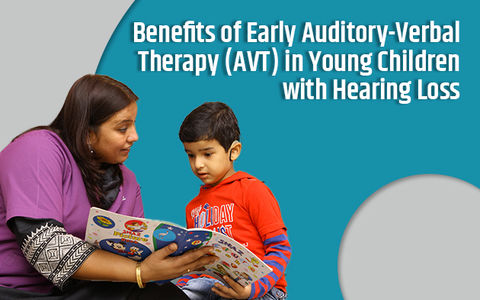
Benefits of Early Auditory-Verbal Therapy (AVT) in Young Children with Hearing Loss
Benefits of Early Auditory-Verbal Therapy (AVT) in Young Children with Hearing Loss Auditory-Verbal Therapy (AVT), also known as auditory-based therapy, is an early intervention therapy for young children who are deaf and hard of hearing, or those who use Hearing Aids or cochlear implants. Auditory-Verbal Therapy (AVT) teaches children with mild to profound hearing loss how to communicate and…
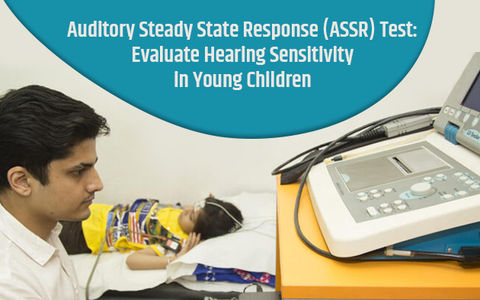
Auditory Steady State Response (ASSR) Test: Evaluate Hearing Sensitivity in Young Children
Auditory Steady State Response (ASSR) Test: Evaluate Hearing Sensitivity in Young Children ASSR (Auditory Steady State Response) is a neurophysiological test that detects how the auditory system responds to a periodic (steady-state) auditory stimulus. It is known to be the best hearing test for young children, including infants and toddlers, to evaluate their hearing sensitivity….
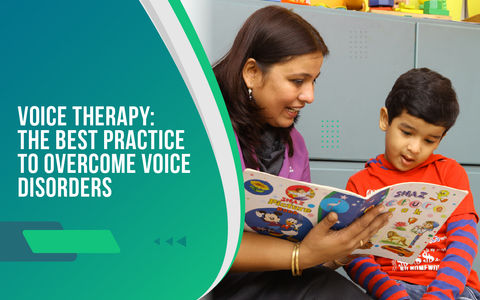
Voice Therapy: The Best Practice to Overcome Voice Disorders
Voice Therapy: The Best Practice to Overcome Voice Disorders Voice therapy is the procedure and techniques that are used in voice disorder treatment that focus on vocal parameters such as vocal closure, volume, pitch, and quality of voice. The primary purpose of voice therapy is to control voice disorders and alter the overall quality of…
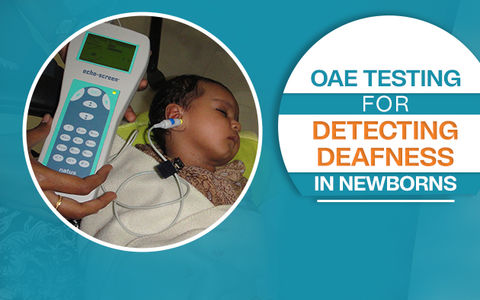
OAE Testing for Detecting Deafness in Newborns
OAE Testing for Detecting Deafness in Newborns We have three main parts of our ear, which are the Outer ear, Middle ear, and Inner ear. The Otoacoustic Emission (OAE) Test refers to the recording of sound waves that are produced by the inner ear, or cochlea. Cochlear sounds help newborn babies evaluate the function of…
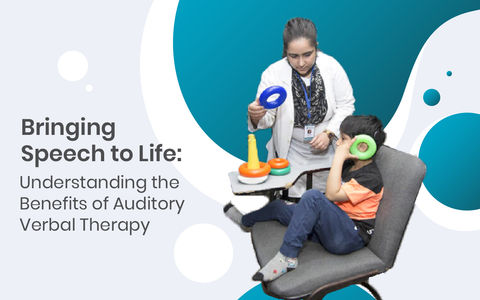
Bringing Speech to Life: Understanding the Benefits of Auditory Verbal Therapy
Bringing Speech to Life: Understanding the Benefits of Auditory Verbal Therapy Early intervention treatment for young children who are deaf and hard of hearing or who use hearing aids or cochlear implants is called auditory verbal therapy (AVT), sometimes called auditory-based therapy. Even if your kid has severe to profound hearing loss, their therapist can…
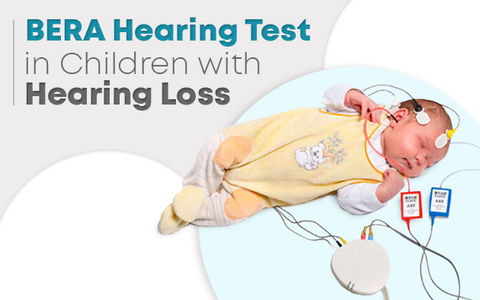
BERA Hearing Test in Children with Hearing Loss
BERA Hearing Test in Children with Hearing Loss Brainstem Evoked Response Audiometry (BERA) is also known as Auditory Brainstem Response (ABR), Brainstem Auditory Evoked Response (BAER), Evoked Response Audiometry (ERA), and Brainstem Auditory Evoked Potential (BAEP). It is an objective test that determines how electrical waves go from the 8th cranial nerve to the brainstem…
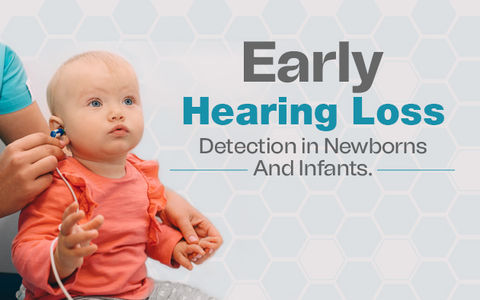
Early hearing loss detection in newborns and infants
Early hearing loss detection in newborns and infants A significant shift in mindset has resulted from improvements in the understanding of the functional and morphological maturation of the auditory system as well as the complexity of emotional and social development in children. Today, it is accepted wisdom that hearing loss should be identified and treated…
Ready to talk to us?
Most families start with a single assessment. We'll tell you plainly what we find and what we'd recommend.