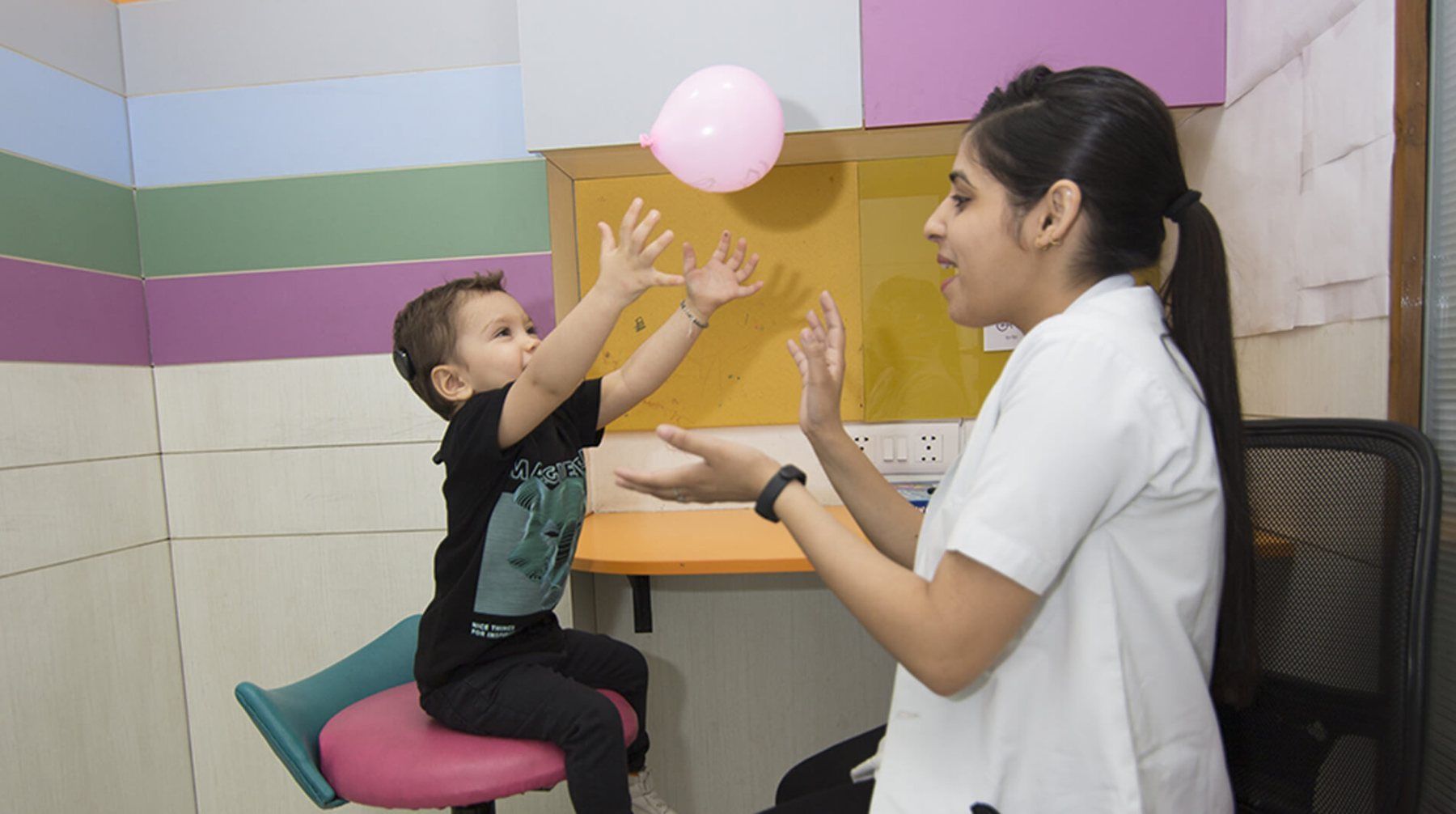
Speech and language disorders affect communication and related areas, such as the mouth muscles used for speaking and eating. They range from difficulty with a few sounds to not being able to understand or use language. Our speech-language pathologists assess and treat children and adults, and build a personalised therapy plan for each person.
What speech and language involve
Speech is how we produce sounds. It includes:
- Phonation (making sound with the voice)
- Resonance
- Fluency
- Intonation and pitch
- Voice, including breathing
Language is the system we use to share meaning. It includes:
- Phonology: the sound rules of a language
- Morphology: the smallest units of meaning in words
- Syntax: putting words into sentences using grammar rules
- Semantics: understanding the meaning of words and symbols
- Pragmatics: the social side of communication
How therapy works
Therapy starts with an assessment. For a child, the therapist looks at how well they understand language (receptive language) and how they express themselves (expressive language), using standardised tests and informal observation, such as watching them play. The therapist also takes a medical history and checks lip, jaw and tongue movements.
Therapy then uses a mix of strategies chosen for each person:
- Language activities. The therapist plays and talks with the child, using pictures, books, objects and everyday events to encourage language. They model correct words and grammar and use repetition to build skills.
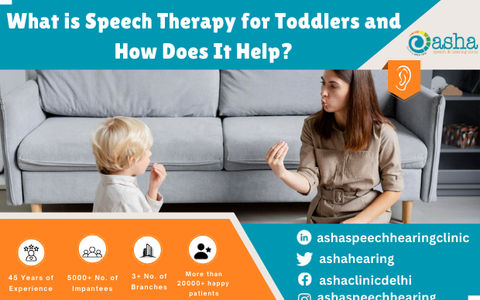
- Articulation therapy. The therapist shows how to make specific sounds, such as "r", including how to move the tongue, and practises them in syllables, words and sentences, often through play suited to the child's age.
- Oral-motor, feeding and swallowing therapy. Tongue, lip and jaw exercises and facial massage strengthen the muscles used for eating, drinking and swallowing.
Parents are part of therapy. We give simple home activities that reinforce each session. Sessions are usually once or twice a week.
Conditions we treat
Speech and language developmental delay (SLDD)
Some children have marked difficulty learning and using language: its sounds, word forms, sentences, meanings and social use. SLDD can occur on its own (sometimes called specific language impairment) or alongside autism, intellectual or developmental disabilities, ADHD, traumatic brain injury, emotional difficulties or hearing loss. Children who struggle with spoken language often find reading and writing harder too. Early identification and therapy improve long-term outcomes. Therapy combines one-to-one sessions, parent guidance and working with teachers and other carers.
Speech sound disorders
A child may have a speech sound disorder if they cannot say certain sounds or words by the expected age. There are two main types:
- Articulation disorders: errors in making individual sounds, such as distortions or substitutions
- Phonological disorders: rule-based patterns of errors that affect several sounds, such as fronting, stopping or dropping the last consonant of words
The therapist first works out whether the errors are a disorder or a normal stage of development that will pass. These difficulties usually resolve faster with early therapy. Adults with remaining speech sound errors can benefit too.
Autism spectrum disorder (ASD)
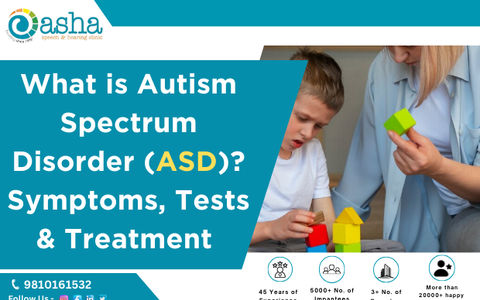
All autistic people have some degree of difficulty with communication and social interaction. Some do not speak at all; others speak fairly easily but find conversation and social cues hard. Signs can include repeating words just heard (echolalia), a robotic or sing-song voice, difficulty taking turns or sharing attention, and using behaviour instead of words to show needs. Speech-language therapy builds communication and social skills. Our other autism services include behaviour therapy based on applied behaviour analysis (ABA), early intervention, play-way therapy, joint attention therapy, social skills training, sensory integration therapy and parent-mediated therapy.
Attention deficit hyperactivity disorder (ADHD)
ADHD is a lifelong condition that affects attention and focus, and in some people causes restlessness and impulsive behaviour. Communication difficulties often come with it. Speech therapy helps by:
- Improving attention, language, articulation and fluency
- Building social communication skills, such as starting and keeping up a conversation and reading non-verbal cues
- Developing organisation skills and self-esteem
ADHD treatment may also include medication, behaviour therapy and cognitive behavioural therapy, so the overall plan should be agreed with your doctor.
Aphasia
Aphasia is a language disorder caused by brain injury, such as a stroke, usually on the left side of the brain. It can affect speaking, understanding speech, reading and writing. People may struggle to find words, speak in broken phrases, or find fast or complex speech hard to follow. A speech-language pathologist diagnoses aphasia with language tests, and the plan depends on age, symptoms, general health and severity. Therapy can include individual speech-language therapy, group therapy involving family members, and non-verbal communication strategies. It can begin as soon as the person is medically stable.
Dysarthria
Dysarthria is unclear speech caused by weakness, poor coordination or changes in tone of the muscles used for breathing, voice and speech. It can follow a stroke or occur with Parkinson's disease and other neurological conditions, sometimes alongside swallowing difficulties. Treatment depends on the cause. In therapy, people learn:
- Exercises to strengthen the jaw, lips and tongue
- Breathing techniques to speak more loudly
- Strategies for clearer speech, such as slowing down
- Non-verbal methods, such as writing or gestures
For stammering and voice problems, see stammering and voice therapy. For eating and swallowing difficulties, see swallowing therapy.