
Cochlear Implants Mapping




Cochlear implant mapping & Programming
Leading cochlear implant mapping clinic in Delhi:
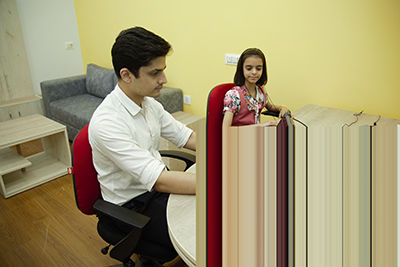
Programming of the speech processor of the cochlear implant is commonly called “Mapping”. The first mapping session is called “switch-on”.
Mapping involves programming of the device by an audiologist who has special expertise in the field of cochlear implants. This is done at regular intervals, so that the recipient can hear very soft sounds and also loud sounds at a comfortable level. The cochlear implant device can process only a limited range of sounds as compared to our normal range of hearing. Thus, it needs to compress the natural range of sounds into a small band. During the mapping process, the stimulation levels of the cochlear implant’s internal electrode array are adjusted so that the user can hear the wide range of sounds that he / she may be exposed to.
Each “map” is individual to its user and changes over time. Maps may become weak, soft, or less clear as tissue grows around the electrode array, or if the user “adapts” to the map. This may result in sound becoming less clear or not being heard as a loud enough signal. Therefore, regular visits to the audiologists for repeated mapping sessions are an integral part of the post implant habilitation.
Frequently Asked Questions
What is cochlear implant mapping?
Mapping is the process of programming electrical stimulation levels (T-levels and C-levels) for each electrode to match your comfort and audibility—customized for your hearing profile.
How is mapping performed?
We place the external processor on you, play tones at various electrodes, and adjust current levels based on your feedback—ensuring you hear soft sounds and avoid discomfort.
How often do I need mapping sessions?
Initially, several sessions occur weekly post-activation. Later, we schedule quarterly or biannual mapping check-ups to fine-tune as your auditory system adapts.
Can I request adjustments between scheduled visits?
Absolutely—just book a tuning session. Everyday factors (health changes, battery shifts) can affect settings, and we’re here to optimize your map whenever needed.
Does mapping improve speech understanding?
Yes—precise mapping directly impacts clarity and speech recognition. We use speech-in-noise tests during mapping to confirm real-world benefit.
Is mapping painful or uncomfortable?
No—while you may feel slight sensations of loudness, we proceed gradually and stop if any discomfort arises. The process is safe and patient-centered.
Ready to talk to us?
Most families start with a single assessment. We'll tell you plainly what we find and what we'd recommend.