Speech Sound Disorder
Speech sound disorders encompass a broad spectrum of challenges, all linked to difficulties in the perception, motor production, and phonological representation of speech sounds and segments. This includes adherence to phonotactic rules dictating which speech sound sequences are permissible in a given language.
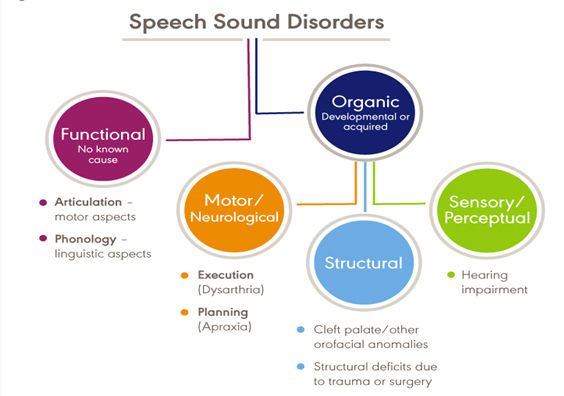
Within the domain of speech sound disorders, there are two main categories of concern:
- Articulation Disorders: These are primarily concerned with the production of individual speech sounds and involve the identification and correction of errors. These errors may manifest as distortions or substitutions in the articulation of sounds.
- Phonological Disorders: Phonological disorders delve into systematic, rule-based errors that extend beyond single sounds. Examples of such errors include fronting, stopping, and final consonant deletion, affecting multiple sounds.
Efficiently addressing speech sound disorders requires a comprehensive approach to diagnosis and therapy, focusing on both articulation and phonological aspects. Effective treatment for speech sound disorders is crucial to enhancing communication and language skills.
Diagnosing and Treating Speech Sound Disorder
A speech sound disorder may be present in children who cannot pronounce specific sounds or words by the expected age. If you suspect your child has a speech sound disorder, then look for a certified speech therapist near me and book an appointment. Speech therapists are qualified practitioners to assess, diagnose, and treat speech sound disorders. Usually, such speech disorders can be treated and resolved faster with early intervention.
After completely observing and listening to your child, the therapist will determine whether your child’s speech problems are due to a speech sound disorder or are a normal aspect of development that will eventually go away. During evaluation, the medical experts will mainly focus on your child’s speech and language skills, medical history, and lip, jaw, and tongue movements.
Following diagnosis, the speech therapists will collaborate with you and your child to create a unique treatment plan to help them overcome speech issues. Many children with articulation and phonological difficulties improve their speaking skills only after receiving adequate speech therapy. The speech therapists may also implement phonological therapy strategies to improve the speech sounds of the children if required.
Speech Sound Disorder Treatment in New Delhi
Are you seeking the best clinic that offers effective treatment for speech sound disorders in New Delhi? If yes, then visit Asha Speech & Hearing Clinic. For children and adults with speech sound disorders, the experienced speech therapists from our team have been providing high-quality speech therapy services at the most reasonable prices. Especially, with the personalized treatment plan, our specialists will help to transform the lives of those grappling with speech sound disorders, restoring their speaking abilities and unlocking new realms of self-expression.
Frequently Asked Questions
What’s the difference between articulation and phonological therapy?
Articulation focuses on positioning (e.g., tongue/lip placement), while phonological targets sound patterns—your therapist selects the right approach after assessment.
How long before I notice clearer speech?
Many see small gains in 6–8 sessions, but consistent practice (both in‐clinic and at home) is key for lasting change.
Can adults with speech sound errors benefit?
Yes! While we often see kids, adults with residual errors or accent modifications also achieve clearer, more confident speech.
What tools are used in therapy?
We use mirrors, tactile cues, visual charts, and sometimes technologybased apps to make learning fun and effective.
Do parents need to be present?
For children under 12, yes—parent coaching ensures you can guide practice between sessions. Adults can choose to involve a family member or come solo.
How do you track progress?
We record speech samples at start and at regular intervals, sharing audio/video feedback so you clearly see the improvements.